


By David Shepardson
WASHINGTON, May 30 (Reuters) – A U.S. judge in Florida said she will review a deal between the Justice Department and President Donald Trump to settle his $10 billion lawsuit against the Internal Revenue Service, intensifying scrutiny of the heavily criticized agreement.
Trump filed the lawsuit against his own government over an alleged mishandling of his tax records that resulted in leaks to the media. The proposed agreement would create a nearly $1.8 billion fund to compensate victims of political “weaponization.”
U.S. District Judge Kathleen Williams ordered Trump’s lawyers on Friday to respond by June 12 to a motion filed by 35 retired federal judges alleging that the settlement “is a product of collusion and is itself a fraud on the court” and to address the question of whether the case should be reopened over the contention the suit was the result of “deception” by Trump and the government.
Following the settlement, Trump moved to dismiss the lawsuit in a bid to prevent any judicial scrutiny of the deal.
Williams initially granted that dismissal on May 18, but her new order said the “court is empowered to investigate serious misconduct.”
It is unusual for a judge to order the government to respond to a motion after a case has been dismissed. If the judge reopens the case, she could order a hearing or take further action.
The retired judges said the settlement, which was never placed before the court, raises profound questions about Trump and the government’s actions “and manipulation of the judicial system, which threatens to undermine confidence in the administration of justice.”
Separately, U.S. District Judge Leonie Brinkema in Virginia on Friday temporarily blocked the Trump administration from setting up the “Anti-Weaponization Fund”. Brinkema’s order will remain in effect at least until June 12.
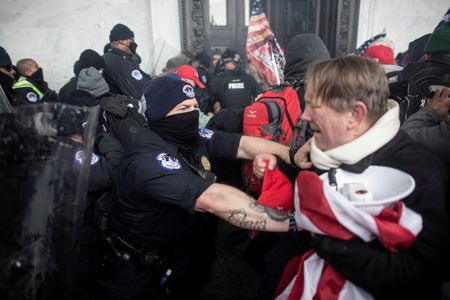
The fund spurred a backlash, even from some lawmakers in Trump’s Republican Party, who expressed anger that some people who attacked the U.S. Capitol on January 6, 2021, could receive taxpayer-funded payouts. It was derided by some critics as a “slush fund.”
The settlement also would bar the IRS from pursuing any audits into past tax claims for Trump, his relatives and his companies for any tax returns filed before May 18 or for any matters “that were raised or could have been raised.”
Legal experts described the arrangement as highly unusual both because of the nature of Trump’s lawsuit against the IRS and because funds of this scale typically are either created by an act of Congress or supervised by a court.
(Reporting by David Shepardson; Editing by Nia Williams)
Brought to you by www.srnnews.com